If you enjoy cars, technology, or shopping for replacement parts, you have probably heard the term “aftermarket.” It is a common word used in industries like automotive, electronics, motorcycles, and even finance.
However, many people are confused about what actually means and how it differs from original products made by manufacturers.
In simple terms, refers to products, parts, or services that are sold after the original item has already been purchased.
These products are usually made by third-party companies rather than the original manufacturer.
For example, if someone installs custom wheels, LED lights, or a new sound system in their car after buying it, those upgrades are considered products.
The term is especially popular in the automotive world because car owners often use parts to customize appearance, improve performance, or replace damaged components at a lower cost.
However, can also refer to stock market trading that happens after normal business hours.
In this guide, you’ll learn the full meaning , how products work, the difference between OEM and parts, advantages and disadvantages, examples, and answers to common questions people ask about the term.
What Does Aftermarket Mean?
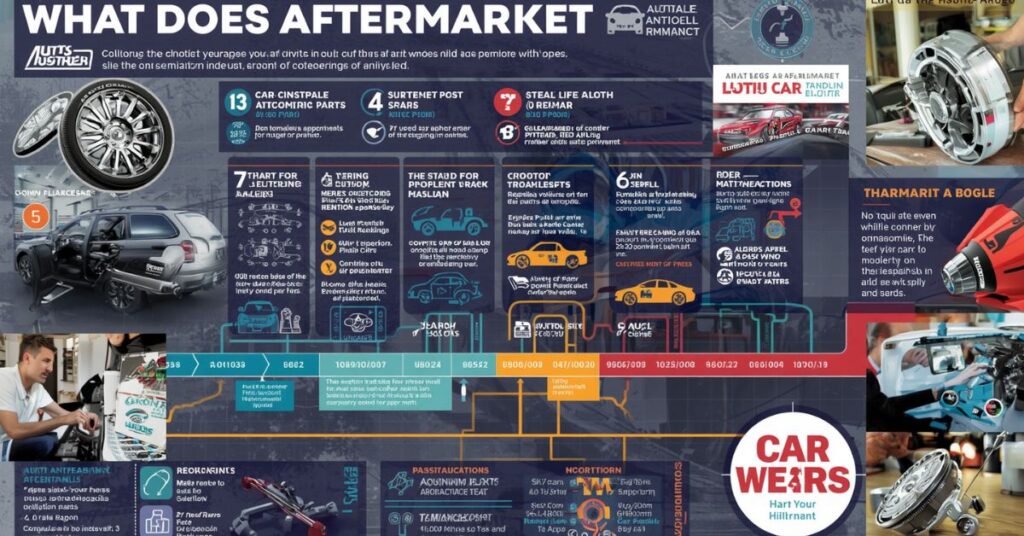
The word “aftermarket” refers to products, parts, or services that are sold after the original product has already been purchased from the manufacturer.
The term is most commonly used in the automotive industry, but it can also apply to electronics, motorcycles, gaming accessories, and other consumer products.
In simple terms, products are made by third-party companies instead of the original manufacturer.
These products are designed to replace, improve, customize, or upgrade the original item.
For example, if someone buys a car and later installs custom wheels, seat covers, headlights, or performance exhaust parts made by another company, those items are considered parts.
Aftermarket Meaning in Cars
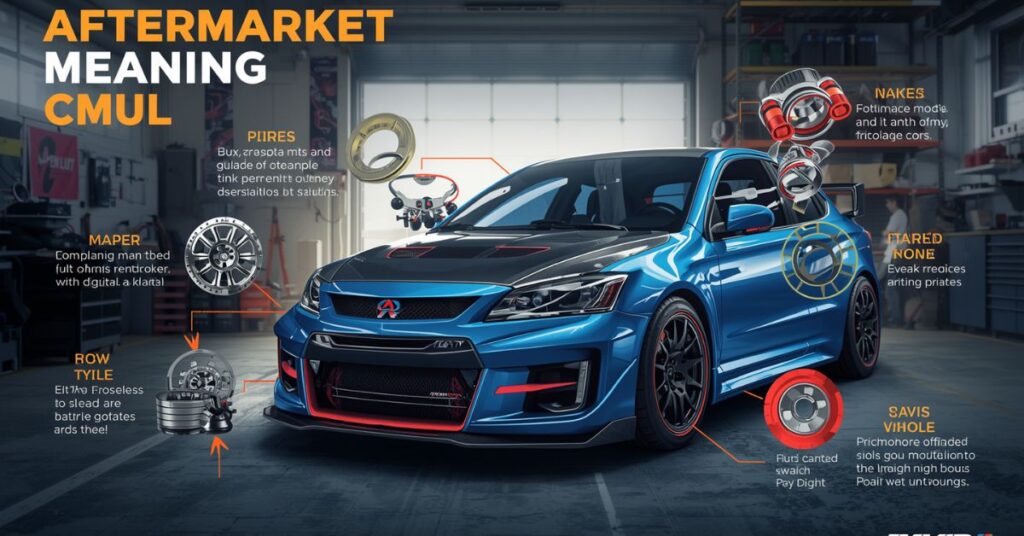
In the automotive world, aftermarket usually refers to replacement or upgrade parts that are not made by the car’s original manufacturer.
For example:
- A Toyota car with non-Toyota rims
- Custom LED headlights
- Performance exhaust systems
- Modified suspension kits
- Third-party stereo systems
These are all modifications.
Car owners often buy parts because they:
- Cost less than original parts
- Improve performance
- Enhance appearance
- Add custom features
- Replace damaged components
OEM vs Aftermarket
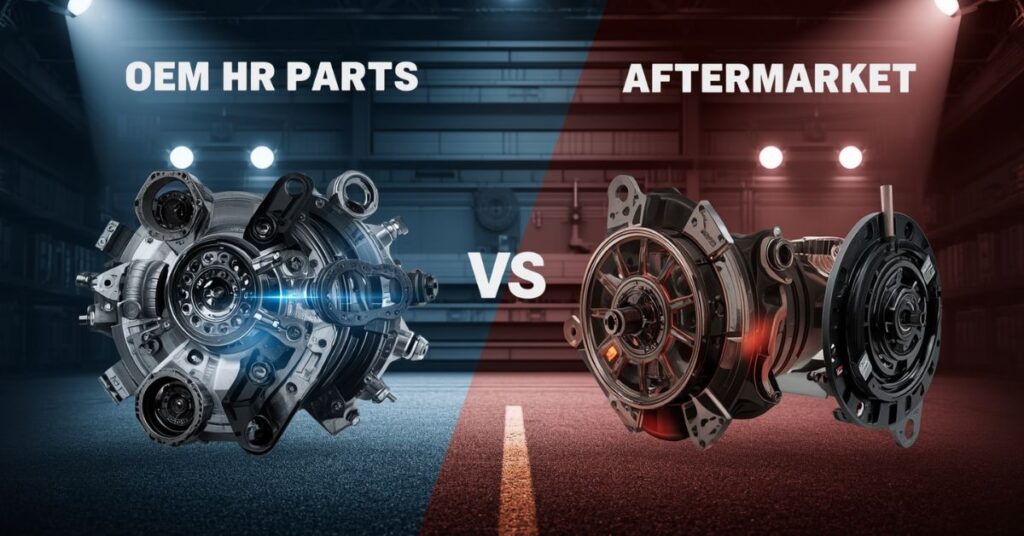
A common comparison is OEM vs aftermarket.
OEM (Original Equipment Manufacturer)
OEM parts are made by the original company that manufactured the product or vehicle.
Example:
- An original Honda brake pad made by Honda
Aftermarket
parts are made by outside companies.
Example:
- A third-party brake pad designed to fit a Honda car
Advantages of Aftermarket Products
Lower Cost
Many products are cheaper than OEM versions.
More Variety
Customers get more design, style, and performance options.
Better Performance
Some upgrades can improve speed, handling, or sound quality.
Easier Customization
People can personalize products according to their preferences.
Disadvantages of Aftermarket Products
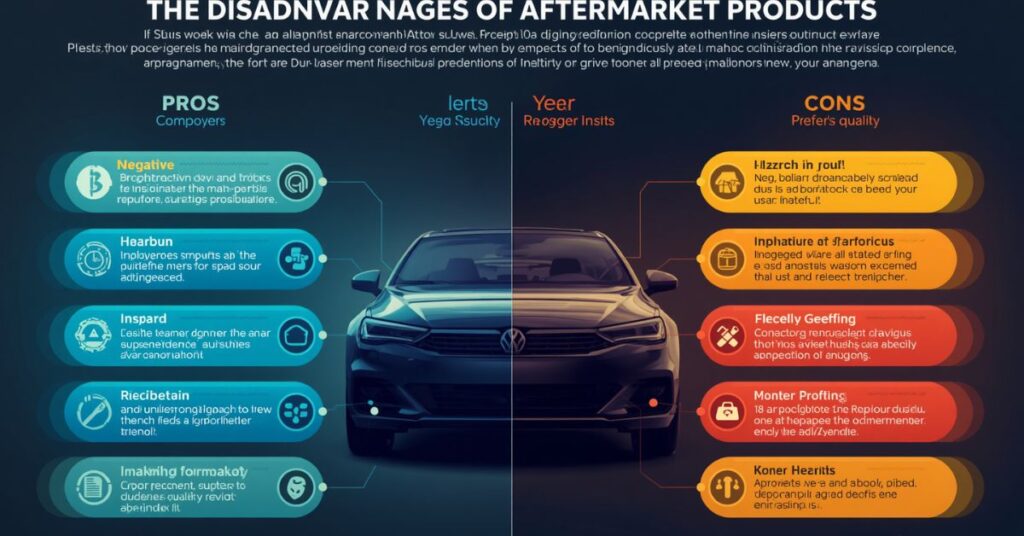
Quality Can Vary
Some products are high quality, while others may be poorly made.
Compatibility Issues
Not all parts fit perfectly.
Warranty Concerns
Certain modifications may affect manufacturer warranties.
Installation Problems
Some products require professional installation.
Examples of Aftermarket Products
Automotive
- Custom wheels
- Performance tires
- LED lights
- Car audio systems
Electronics
- Phone cases
- Third-party chargers
- Gaming controllers
Motorcycles
- Exhaust systems
- Custom seats
- Handlebar upgrades
Aftermarket in the Stock Market
The word aftermarket also has another meaning in finance. In the stock market, “aftermarket trading” refers to buying and selling stocks after regular market hours have ended.
For example:
- The New York Stock Exchange closes at 4 PM
- Trading that happens afterward is called aftermarket trading
This meaning is completely different from the automotive definition, so context matters.
Frequently Asked Questions
What does aftermarket mean in cars?
In the automotive industry, refers to replacement, upgrade, or custom parts made by third-party companies instead of the original vehicle manufacturer.
Are aftermarket parts better than OEM parts?
It depends on the brand and product quality. So parts offer better performance or lower prices, while others may not match OEM quality.
Is the aftermarket cheaper than OEM?
Yes, aftermarket products are often less expensive than original manufacturer parts.
Can aftermarket parts affect a car warranty?
In some cases, certain modifications may affect parts of a manufacturer warranty, especially if the part causes damage.
What is the difference between OEM and aftermarket?
OEM parts are made by the original manufacturer, while parts are made by third-party companies.
Are aftermarket products safe?
Many products are safe and reliable, but quality varies between brands. It is important to choose trusted manufacturers.
What does aftermarket mean in stocks?
In finance, aftermarket refers to trading activity that takes place after the regular stock market closes.
Why do people buy aftermarket products?
People buy products for customization, performance upgrades, replacement parts, lower prices, and additional features.
Are parts legal?
Most parts are legal, but some vehicle modifications may violate local laws or emissions regulations depending on the country or state.
What are common examples of aftermarket products?
Examples include custom wheels, performance exhaust systems, phone accessories, gaming controllers, and third-party chargers.
Conclusion
refers to products, parts, or services sold after the original purchase of an item.
It is most commonly associated with cars and vehicle modifications, where third-party companies create replacement or upgrade parts. products can offer lower prices, better customization, and improved performance, but quality and compatibility may vary.
The term can also apply to stock market trading after regular business hours. Understanding the context helps determine the correct meaning of in conversation.

I am William Turner, a lover of clever words and playful ideas. I turn everyday moments into laughs and smiles. On punsprout.com, I share fresh puns and witty content to keep creativity growing.