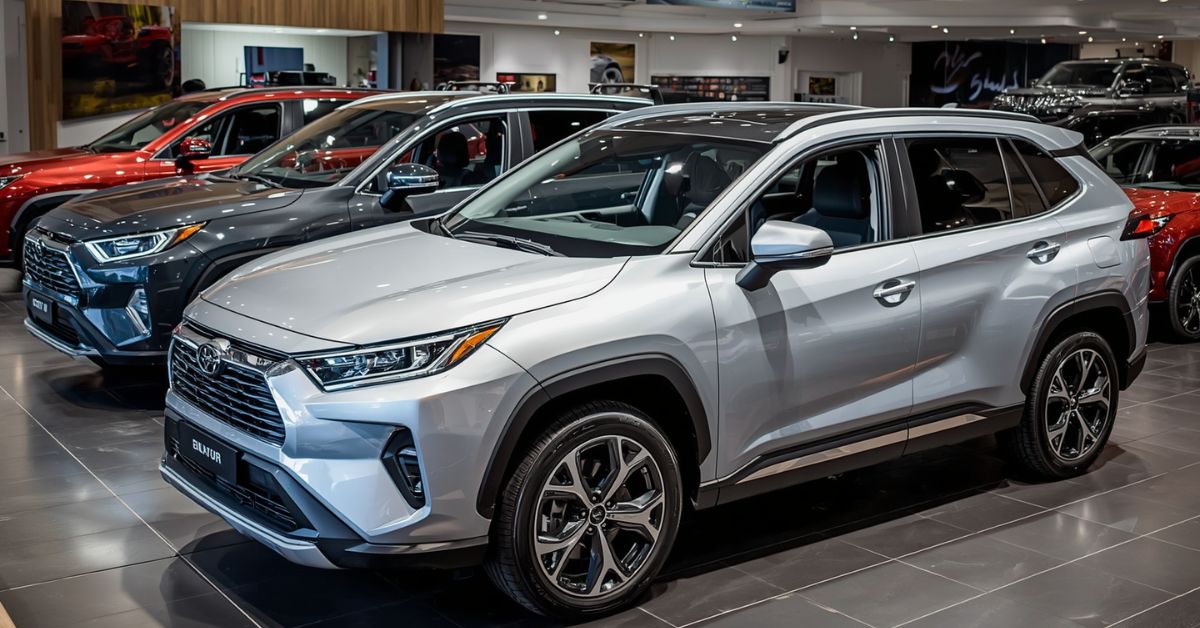
If you are shopping for a vehicle or researching different car types, you have probably seen the term “SUV.” SUVs are among the most popular vehicles in the world because they combine passenger comfort, cargo space, and strong road performance in one design. However, many people still wonder what SUV actually means and how it differs from other vehicles like sedans, trucks, or crossovers.
SUV stands for “Sport Utility Vehicle.” These vehicles are designed to provide a mix of practicality, comfort, power, and versatility. SUVs are usually larger than regular cars and often include higher ground clearance, spacious interiors, and optional all-wheel or four-wheel drive systems.
Originally, SUVs were mainly built for off-road driving and outdoor activities. Today, however, many SUVs focus more on family transportation, safety, daily commuting, and modern technology features.
Because SUVs come in different sizes and styles, they appeal to many types of drivers, including families, travelers, outdoor enthusiasts, and city commuters.
In this guide, you’ll learn what SUV means, the history of SUVs, common SUV types, features, advantages, disadvantages, and answers to frequently asked questions about SUVs.
What Does SUV Mean?
SUV stands for “Sport Utility Vehicle.”
The term describes vehicles that combine features of:
- Passenger cars
- Trucks
- Off-road vehicles
SUVs are built to handle different driving conditions while offering:
- More passenger space
- Larger cargo areas
- Higher seating positions
- Improved road visibility
Many SUVs also include:
- All-wheel drive (AWD)
- Four-wheel drive (4WD)
- Towing capability
- Advanced safety systems
Because of their flexibility, SUVs have become one of the most popular vehicle categories worldwide.
History of SUVs
SUVs originally developed from military and utility vehicles designed for rough terrain and outdoor use.
Early SUVs focused heavily on:
- Durability
- Off-road performance
- Cargo capacity
Over time, manufacturers began creating more comfortable and family-friendly SUV models. Today’s SUVs often include:
- Luxury interiors
- Touchscreen technology
- Fuel-efficient engines
- Driver assistance features
As consumer demand grew, SUVs became common in cities and suburban areas rather than only off-road environments.
Types of SUVs
SUVs come in several categories based on size and purpose.
Compact SUVs
Compact SUVs are smaller, fuel-efficient, and easier to drive in cities.
Examples include:
- Honda CR-V
- Toyota RAV4
Mid-Size SUVs
Mid-size SUVs offer more passenger and cargo space.
Common uses include:
- Family transportation
- Road trips
Full-Size SUVs
Full-size SUVs provide maximum seating and towing capability.
These SUVs often include:
- Three-row seating
- Large cargo areas
- Powerful engines
Luxury SUVs
Luxury SUVs combine premium interiors with advanced technology and performance.
Common Features of SUVs
Most SUVs include features such as:
- Elevated driving position
- Spacious seating
- Flexible cargo storage
- Foldable rear seats
- Higher ground clearance
- Optional AWD or 4WD
Modern SUVs also commonly offer:
- Backup cameras
- Touchscreen infotainment systems
- Navigation systems
- Advanced safety technology
Advantages of SUVs
More Space
SUVs usually provide larger interiors and cargo capacity than sedans.
Better Visibility
The higher seating position improves road visibility for drivers.
Versatility
SUVs handle family use, travel, cargo hauling, and outdoor activities well.
Off-Road Capability
Some SUVs perform well on rough roads, snow, mud, or trails.
Safety Features
Many SUVs include advanced safety and driver-assistance systems.
Disadvantages of SUVs
Higher Fuel Consumption
Larger SUVs often use more fuel than smaller cars.
Higher Cost
SUVs may cost more to purchase and maintain.
Harder Parking
Large SUVs can be difficult to park in tight urban areas.
Heavier Weight
The extra size and weight may affect handling and braking performance.
SUV vs Sedan
SUV
- Higher seating position
- More cargo space
- Better for rough roads
- Larger size
Sedan
- Lower fuel costs
- Easier parking
- Smoother handling
- Usually less expensive
Choosing between them depends on personal needs and lifestyle.
Why SUVs Are So Popular
SUV popularity continues growing because they offer:
- Family-friendly space
- Comfort
- Safety
- Modern technology
- Flexible driving performance
Many people also prefer the confident driving position and stylish appearance of SUVs.
Frequently Asked Questions About SUVs
What does SUV stand for?
SUV stands for “Sport Utility Vehicle.”
Are SUVs bigger than cars?
Yes. Most SUVs are larger and taller than standard passenger cars.
What is the difference between an SUV and a crossover?
Crossovers are usually built on car platforms, while traditional SUVs are often built on truck-style platforms.
Are SUVs good for families?
Yes. SUVs provide spacious seating, cargo room, and safety features that many families prefer.
Do SUVs use more gas?
Many SUVs consume more fuel than smaller sedans because of their size and weight.
Are SUVs safe?
Many modern SUVs include advanced safety systems and strong crash-test ratings.
Can SUVs go off-road?
Some SUVs are designed for off-road driving, while others focus mainly on city and highway use.
Why are SUVs popular?
People like SUVs because they combine comfort, versatility, cargo space, and higher driving visibility.
Conclusion
SUV stands for “Sport Utility Vehicle,” a vehicle type designed to combine comfort, space, utility, and versatile performance. Originally built for rugged terrain and outdoor use, modern SUVs now serve families, commuters, travelers, and luxury drivers worldwide.
Because SUVs offer spacious interiors, flexible storage, elevated seating, and optional off-road capability, they remain one of the most popular vehicle categories today. Understanding SUV features, types, and benefits can help drivers choose the right vehicle for their lifestyle and transportation needs.

I am William Turner, a lover of clever words and playful ideas. I turn everyday moments into laughs and smiles. On punsprout.com, I share fresh puns and witty content to keep creativity growing.