If you’ve ever come across the term “deed restricted” while looking at homes or real estate listings, you might be wondering: what does deed restricted mean? This term is commonly used in property ownership and real estate law, especially in planned communities, housing developments, and affordable housing programs.
A deed-restricted property is one that has specific legal rules written into its deed.
These rules control how the property can be used, who can buy it, or even how much it can be sold for in the future. These restrictions are legally binding, meaning every future owner must follow them.
Deed restrictions are often used to maintain community standards, protect property values, or ensure long-term affordability in housing markets.
While they can offer benefits, they also come with limitations that every buyer should understand before purchasing.
In this guide, we will explore the meaning of deed restrictions in detail, how they work, their types, advantages, disadvantages, and important things you should know before buying a deed-restricted property.
What Does Deed Restricted Mean?

The term deed restricted refers to a property that has legally binding conditions attached to its ownership deed. These conditions limit how the property can be used or transferred. In simple words, it means the property comes with rules that every owner must follow.
These rules are created by developers, housing authorities, or local governments. They are recorded in the property deed, making them enforceable by law. This means even if you sell the property, the next buyer must also follow the same restrictions.
Deed restrictions can vary widely. Some may control the type of building allowed on the land, while others may limit renting, business use, or resale price. In affordable housing programs, for example, deed restrictions ensure homes remain within reach for lower-income families.
These restrictions are not temporary; they usually last for many years or even permanently. Because of this, understanding them is extremely important before purchasing a property.
In short, when someone asks what does deed restriction mean, it refers to a property with legal usage rules that protect certain goals like affordability, neighborhood standards, or land use control.
How Do Deed Restrictions Work?
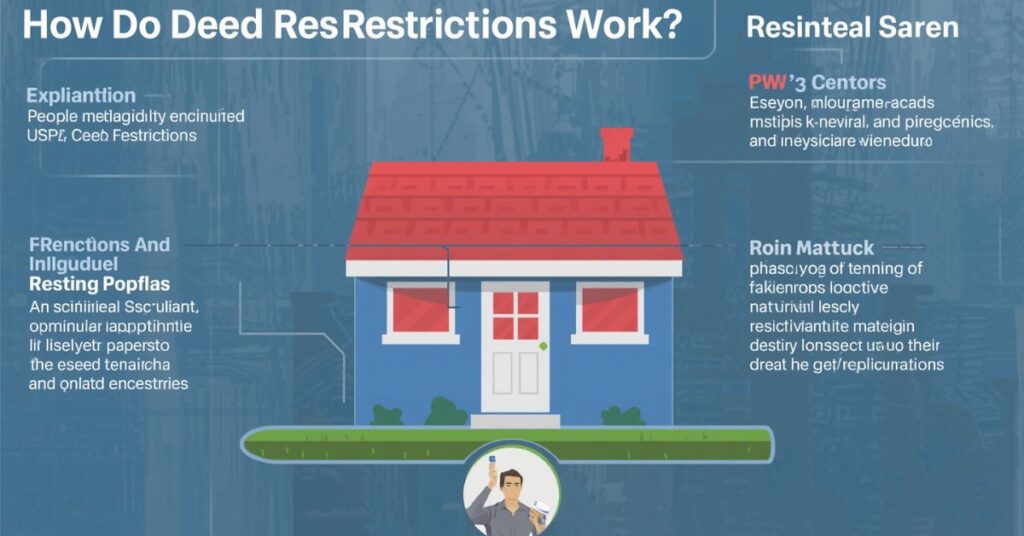
Deed restrictions work by attaching legal conditions directly to the property’s title or deed. When a property is first developed or sold, these rules are written into the official records. From that moment on, they become part of the property itself, not just the current owner.
When a buyer purchases a deed-restricted home, they automatically agree to follow all existing restrictions. These rules stay in effect even if the property is sold multiple times in the future. This is why deed restrictions are often described as “running with the land.”
The enforcement of these rules is usually handled by homeowners’ associations (HOAs), developers, or local government agencies. If an owner violates the rules, they may face penalties, fines, or even legal action.
For example, a deed restriction might limit the color you can paint your house, prevent you from using the home for business purposes, or set a maximum resale price. In affordable housing programs, it may also restrict who can buy the home based on income level.
Because these rules are legally binding, buyers must carefully review them before purchasing. They are not optional and cannot easily be removed.
Common Types of Deed Restrictions
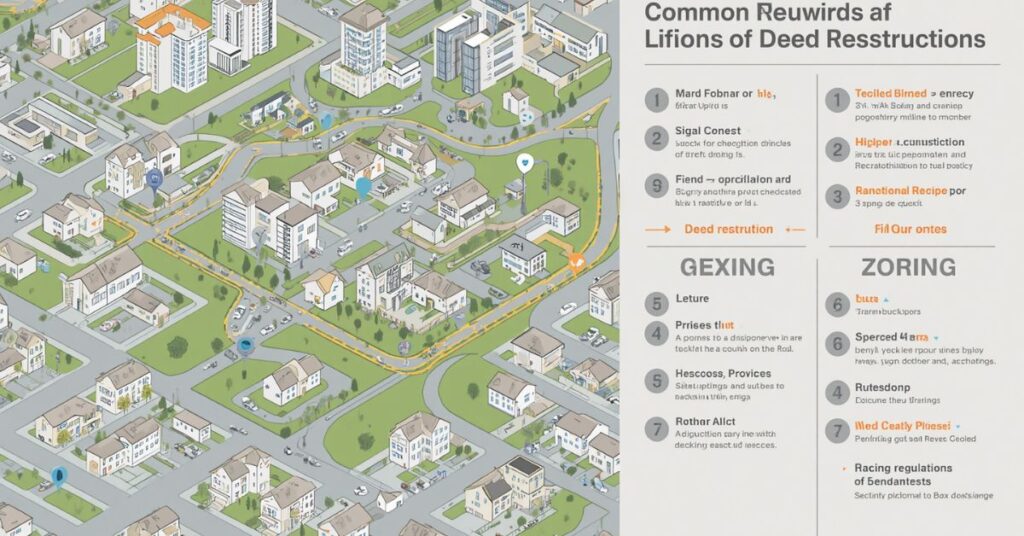
Deed restrictions can vary depending on the purpose of the property and the community rules. However, there are some common types that appear frequently in real estate.
One of the most common is use restriction, which controls how a property can be used. For example, a home may be restricted to residential use only, meaning no business operations are allowed.
Another type is architectural restriction, which regulates the appearance of a property. This can include rules about building height, paint colors, fencing, or exterior design to maintain a uniform neighborhood look.
There are also rental restrictions, which limit whether a property can be rented out. Some communities do not allow short-term rentals or require owner occupancy.
In affordable housing, resale restrictions are common. These rules control how much profit an owner can make when selling the home. This helps keep housing affordable for future buyers.
Finally, some deed restrictions include occupancy rules, which determine who can live in the property, often based on family size or income level.
Each type serves a specific purpose, but all are designed to control property use in some way.
Benefits of Deed Restricted Properties
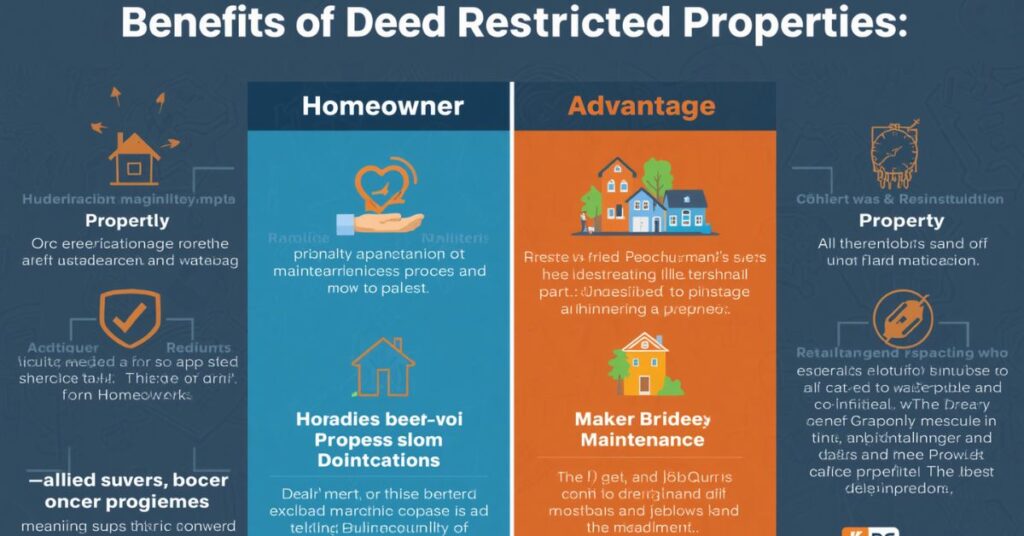
Deed-restricted properties offer several important benefits, especially for communities and homeowners looking for stability.
One major benefit is affordability protection. In many housing programs, deed restrictions ensure that homes remain affordable for future buyers, preventing prices from rising too quickly.
Another benefit is community consistency. Restrictions on design and usage help maintain a clean, organized, and visually appealing neighborhood. This can improve overall living conditions and property values.
Deed restrictions can also reduce neighborhood conflicts. Since rules are clearly defined, homeowners know what is allowed and what is not, reducing misunderstandings.
For buyers, deed-restricted homes can sometimes be more affordable than market-rate properties, making them a good option for first-time homeowners or lower-income families.
Additionally, these properties often come with structured community management, which can provide better maintenance and organization in shared spaces.
Overall, deed restrictions help create stable, predictable, and well-managed communities.
Disadvantages of Deed Restrictions
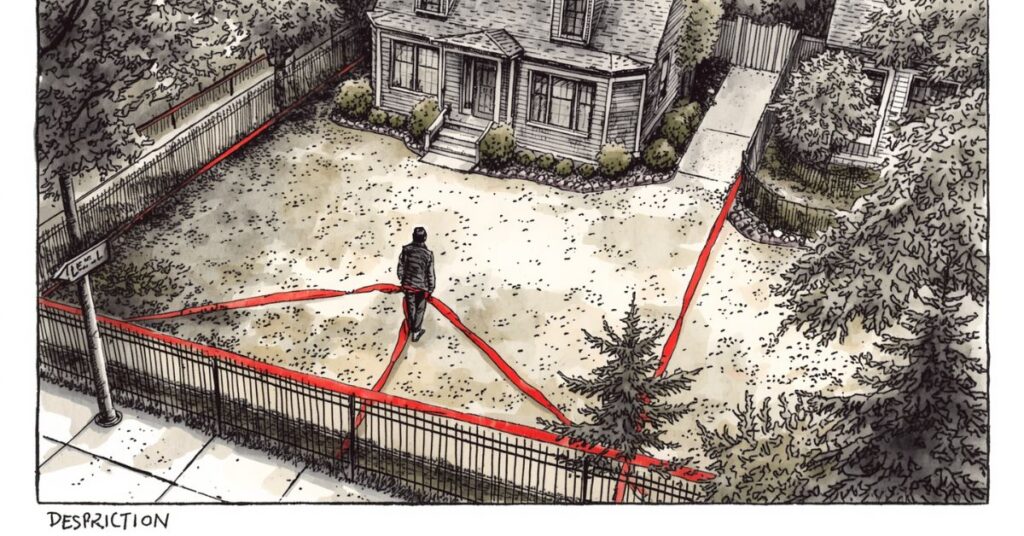
While deed restrictions have benefits, they also come with certain drawbacks that buyers should carefully consider.
One major disadvantage is limited freedom. Homeowners may not be able to freely modify their property, rent it out, or use it for business purposes.
Another issue is resale limitations. In many cases, deed restrictions control how much profit you can make when selling the property, which can limit investment opportunities.
Some buyers also find the rules too strict or restrictive, especially if they prefer flexibility in how they use their home.
Additionally, deed-restricted properties can sometimes be harder to sell, because the restrictions may reduce the pool of potential buyers.
There is also the issue of long-term commitment, as these restrictions often last for many years or permanently, even if your personal circumstances change.
Because of these limitations, it is essential to fully understand the terms before purchasing a deed-restricted home.
Things to Consider Before Buying a Deed Restricted Property
Before buying a deed-restricted property, it is important to carefully review all rules and conditions attached to the deed.
First, understand what restrictions apply whether they involve rental limits, resale price controls, or usage rules. These can significantly affect your future plans.
Second, check the duration of the restrictions. Some may last for decades or permanently, so you need to know how long they will apply.
Third, consider your long-term goals. If you plan to rent out the property or sell it for profit, make sure the restrictions allow it.
It is also wise to review any homeowners’ association (HOA) rules, as they often work alongside deed restrictions.
Finally, consult a real estate professional or lawyer before signing anything. They can help you fully understand the legal implications.
Buying a deed-restricted home can be a great opportunity, but only if you clearly understand the limitations.
FAQs About Deed Restricted Properties
What does deed restricted mean in simple words?
It means a property has legal rules that control how it can be used or sold.
Can deed restrictions be removed?
In most cases, they are very difficult to remove and often require legal action or approval from authorities.
Are deed-restricted homes cheaper?
Yes, many are more affordable because they are part of housing assistance programs.
Can I rent a deed-restricted property?
It depends on the specific rules. Some allow renting, while others strictly prohibit it.
Final Thoughts
Understanding what deed restricted means is essential before buying or investing in property. These homes come with legally binding rules that can affect how you use, sell, or modify them.
While deed restrictions can help maintain affordability and community standards, they also limit flexibility.
That’s why it’s important to carefully read and understand all conditions before making a decision.
A deed-restricted property can be a great opportunity for the right buyer but only when the rules match your long-term goals.

I am Ethan Collins, a creative writer who loves wordplay and clever humor. I create fun, light-hearted content that makes people smile and think. On punsprout.com, I share fresh puns and playful ideas to brighten everyday reading.