What does Tristan mean, and why has this powerful and mysterious name remained popular for generations? Many people search for the meaning of Tristan when choosing a baby name, exploring family history, or simply satisfying curiosity about names and their origins.
The name Tristan carries a deep and emotional meaning that has been connected to romance, courage, and strength for centuries.
It has roots in ancient languages and legendary stories, giving it a timeless and dramatic appeal. Over the years, has become associated with bravery, intelligence, passion, and loyalty.
Beyond its simple definition, also holds cultural, spiritual, and symbolic importance.
It has appeared in literature, medieval legends, films, and modern pop culture, helping it remain relevant across different generations.
In this article, we’ll explore everything you need to know about the name Tristan, including its origin, historical background, personality traits, spiritual symbolism, numerology, popularity, famous people with the name, and much more.
What Does the Name Tristan Mean?
The name Tristan is often believed to mean “sorrowful” or “sad,” though its meaning is more complex and fascinating than it may first appear.
The name is thought to come from the Celtic or Pictish language, while some historians also connect it to the Latin word tristis, which means “sad.” Because of this connection, became linked with emotional depth, passion, and romance.
Despite the association with sadness, the name Tristan is not viewed negatively. Instead, it represents emotional strength, loyalty, and the ability to endure challenges. I
n many legendary stories, is portrayed as a brave and noble character who faces hardship with courage and determination.
The name also symbolizes passion and devotion. This is largely due to the famous medieval romance story “Tristan and Isolde,” where is remembered as a heroic and deeply emotional figure. Because of this legendary connection, the name often carries themes of love, sacrifice, and adventure.
Today, Tristan is widely seen as a modern and attractive name with a strong personality. It combines emotional depth with confidence and charm, making it appealing to parents looking for a meaningful yet stylish name.
Overall, Tristan represents courage, loyalty, intelligence, and emotional strength, giving it a timeless quality that continues to resonate across cultures and generations.
Origin and History
The name Tristan has a rich and legendary history that dates back many centuries. Most experts believe the name has Celtic origins, though it later became strongly connected to medieval European literature and romance stories.
One of the earliest and most famous appearances of the name comes from the legendary tale of “Tristan and Isolde.” This medieval story became one of the greatest romantic legends in European history. In the story, is a courageous knight known for his bravery, loyalty, and tragic love story. Because of this tale, the name became associated with romance, heroism, and emotional depth.
Some historians believe Tristan may originally come from a Pictish or Welsh name, while others link it to the Latin word tristis, meaning “sad” or “sorrowful.” Over time, these meanings blended together, giving the name a mysterious and poetic identity.
During the Middle Ages, became popular throughout France, England, and other European countries due to the influence of literature and royal courts. The name continued to spread across different cultures and languages while maintaining its romantic and noble reputation.
In modern times, has become a widely used name in English-speaking countries. Its stylish sound, historical significance, and legendary background have made it especially popular among parents looking for a unique yet classic name.
Today, is recognized as a name that combines history, courage, romance, and timeless elegance.
Personality Traits Associated with the Name Tristan
People with the name Tristan are often associated with strong personalities, emotional depth, and natural charisma. The name carries a sense of confidence and mystery, making it appealing to individuals who are independent, thoughtful, and adventurous.
One of the most common personality traits connected to Tristan is bravery. Because of the name’s legendary origins, Tristan is often linked with courage and determination. People with this name are usually seen as willing to face challenges head-on and pursue their goals with passion.
also associated with intelligence and creativity. Many individuals with this name enjoy exploring new ideas, expressing themselves artistically, and thinking outside the box. They tend to have curious minds and strong imaginations, which can help them excel in creative or intellectual fields.
Another important trait connected to Tristan is loyalty. Individuals with this name are often caring and protective toward the people they love. They value meaningful relationships and are known for standing by friends and family during difficult times.
Emotionally, personalities may be sensitive and reflective. They often feel things deeply and may spend time thinking about life, relationships, and personal growth. This emotional awareness can make them compassionate and understanding.
However, their emotional depth may sometimes lead to moodiness or overthinking. Even so, their resilience usually helps them recover and grow stronger.
Overall, the name Tristan reflects a personality that is brave, intelligent, loyal, creative, and emotionally strong.
Numerology of the Name Tristan
Numerology provides another interesting perspective on the deeper meaning of the name Tristan. By assigning numerical values to the letters in the name, Tristan is commonly associated with the number 5. In numerology, the number 5 represents freedom, adventure, curiosity, and personal growth.
People connected with the number 5 are often energetic and independent. They enjoy exploring new experiences and dislike feeling restricted or controlled. This fits well with the adventurous and courageous image linked to the name Tristan.
The number 5 is also associated with adaptability and intelligence. Individuals influenced by this number tend to learn quickly and adjust well to changing situations. They are often open-minded and interested in discovering new ideas, cultures, and opportunities.
Another important characteristic of the number 5 is strong communication skills. People with this number are usually expressive, social, and persuasive. They enjoy connecting with others and often have charming personalities that naturally attract attention.
Emotionally, number 5 personalities can be passionate and intense. They often seek excitement and meaningful experiences in life. However, they may sometimes struggle with impatience or restlessness because they constantly crave growth and change.
The numerology of Tristan suggests a personality that values independence, creativity, and exploration. It reflects someone who wants to experience life fully while continuing to evolve emotionally and intellectually.
Overall, the number 5 adds a dynamic and adventurous layer to the meaning of Tristan, highlighting freedom, courage, adaptability, and personal transformation.
Spiritual and Symbolic Meaning of Tristan
The name Tristan carries deep spiritual and symbolic meanings that go far beyond its literal interpretation. Spiritually, Tristan is often connected to emotional wisdom, inner strength, and personal transformation. Its legendary and poetic background gives it a sense of mystery and depth.
One symbolic meaning of Tristan is resilience through hardship. Although the name is sometimes associated with sorrow or sadness, this symbolism is not negative. Instead, it reflects the idea of overcoming emotional struggles and growing stronger through life’s challenges.
Spiritually, Tristan can also represent passion and devotion. The legendary stories connected to the name portray a person who loves deeply, remains loyal, and follows the heart despite obstacles. Because of this, the name often symbolizes emotional honesty and commitment.
Another symbolic interpretation of Tristan is courage. The name is associated with warriors, knights, and heroic figures who face danger with confidence and determination. This gives the name an empowering and fearless quality.
Many people also view as a symbol of balance between strength and sensitivity. It represents someone who is emotionally aware yet capable of remaining strong under pressure.
On a spiritual level, the name may reflect a journey of self-discovery and emotional growth. It suggests a person who learns valuable lessons through experiences and develops wisdom over time.
Overall, the spiritual meaning of highlights love, resilience, bravery, emotional depth, and personal transformation, making it a name filled with symbolic power and timeless significance.
Variations and Similar Names to Tristan
The name Tristan has several variations and related names across different languages and cultures. Although the spelling may change slightly, the strong and romantic identity of the name remains consistent.
In French-speaking regions, the name is often spelled the same way: Tristan. Since the legendary story of Tristan and Isolde became especially popular in medieval France, the French version played a major role in spreading the name throughout Europe.
In Spanish and Italian cultures, may appear as Tristán, featuring a slight pronunciation difference while maintaining the same historical roots.
There are also feminine variations and related forms inspired by Tristan, though they are less common. Some modern alternatives include Trista and Tristin, which offer softer or more contemporary versions of the name.
Several names share a similar style or feeling with Tristan. Names like Trevor, Damian, Adrian, Roman, and Sebastian often appeal to people who like Tristan because they sound elegant, strong, and timeless.
The name also pairs well with modern naming trends because it feels classic without sounding outdated. This balance makes it versatile and attractive in many cultures.
Another interesting aspect of Tristan is its universal pronunciation. Unlike some traditional names, it is relatively easy to pronounce in different languages, which increases its international appeal.
Overall, the variations and related forms of Tristan show how adaptable and enduring the name has become across different countries, cultures, and generations.
Popular Nicknames for Tristan
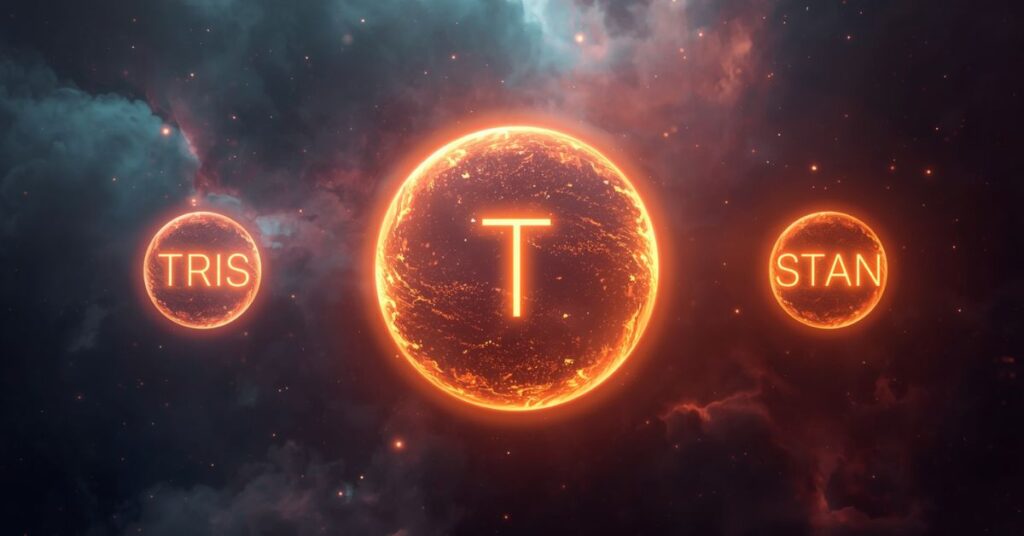
The name Tristan comes with several fun and stylish nickname options that make it flexible for different personalities and age groups. These nicknames can add a more casual, playful, or affectionate tone while still keeping the strength and charm of the original name.
One of the most common nicknames for Tristan is Tris. This short version is simple, modern, and easy to use in everyday conversations. It works well for both children and adults and has become increasingly popular.
Another popular nickname is Tristy, which gives the name a softer and more friendly feel. While less common, some families use it as a cute childhood nickname.
People may also use nicknames like T, T-Man, or Stan depending on personality and social circles. These versions are more informal and often develop naturally among friends or family.
The flexibility of Tristan’s nicknames is one reason the name appeals to many parents. A child can grow into different nickname styles over time while still keeping the classic and sophisticated full name.
Nicknames also allow individuals to express their personalities more freely. Someone outgoing and energetic might prefer “Tris,” while someone laid-back might simply go by “T.”
Overall, the variety of nickname options adds to Tristan’s versatility and charm. Whether formal or casual, the name adapts easily to different situations and stages of life while maintaining its strong identity.
Popularity of the Name Tristan Over Time
The name Tristan has experienced steady popularity growth over the years, especially in English-speaking countries. Although it was once considered a rare and literary name, it gradually became more mainstream due to its strong sound and romantic history.
Tristan began gaining attention in the late 20th century as parents started looking for names that felt classic yet unique. Unlike extremely traditional names, Tristan offered something more modern and distinctive while still carrying historical depth.
The name became especially popular during the 1990s and early 2000s. During this period, many parents were drawn to its stylish sound, Celtic roots, and legendary background. It also benefited from appearances in movies, television shows, and popular culture.
Another reason for Tristan’s popularity is its balance between masculinity and elegance. It sounds strong and confident while still feeling artistic and refined. This combination helped it stand out among other popular boys’ names.
Today, Tristan remains widely recognized and respected. While it may not always rank among the very top baby names, it continues to be a favorite choice for parents who want a name that is meaningful, modern, and timeless.
The name is also popular internationally, especially in countries influenced by European culture and literature. Its easy pronunciation and memorable sound make it appealing across many languages.
Overall, Tristan has evolved from a legendary literary name into a modern classic that continues to maintain strong popularity and lasting appeal.
Famous People Named Tristan
Many well-known individuals named Tristan have helped keep the name popular in entertainment, sports, literature, and modern culture. These personalities have added to the image of Tristan as a confident, talented, and charismatic name.
One of the most recognized figures is Tristan Thompson, a professional basketball player known for his athletic career and public presence. His success in sports has made the name Tristan more familiar to younger generations.
Another notable example is Wilds, an actor and musician admired for his performances in television and music. His creative talents reflect the artistic and expressive qualities often associated with the name.
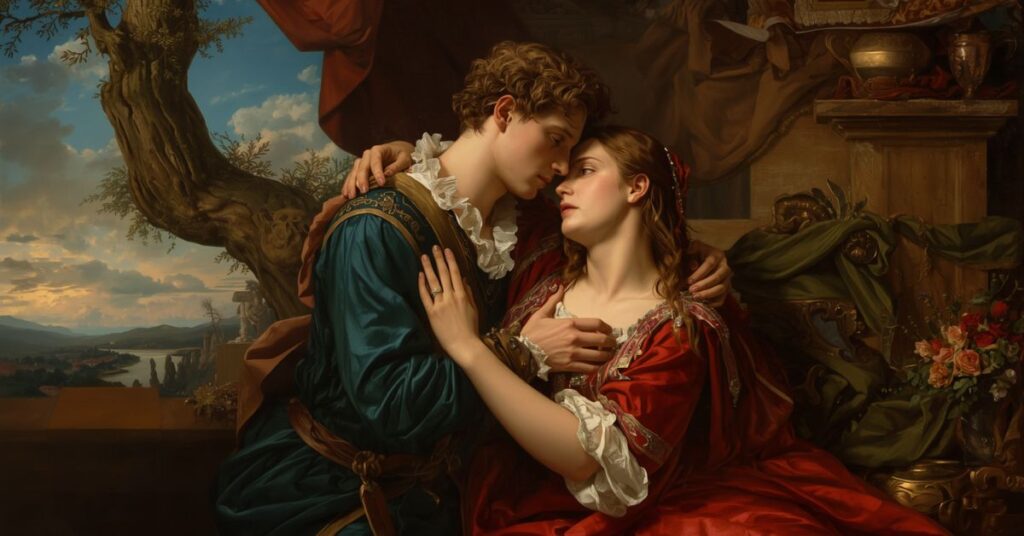
The legendary character Tristan from the medieval romance “Tristan and Isolde” also remains one of the most famous representations of the name. This heroic and romantic figure has influenced literature, music, and storytelling for centuries.
The name Tristan has also appeared in movies, novels, and fantasy stories, often given to brave, intelligent, or mysterious characters. Because of this, the name has developed a strong connection with adventure and heroism.
Modern celebrities and fictional characters have helped remain stylish and relevant in contemporary culture. Parents often choose the name because it sounds sophisticated while still feeling approachable and modern.
Overall, famous people and cultural references connected to have strengthened its reputation as a name associated with talent, confidence, creativity, and strength.
Is Tristan a Good Name?
Tristan is widely considered a strong and attractive name because it combines history, elegance, and modern appeal. For many parents, it offers the perfect balance between uniqueness and familiarity.
One of the biggest strengths of Tristan is its rich meaning and legendary background. The name carries themes of courage, loyalty, passion, and emotional depth, which give it a powerful identity.
Another reason Tristan is viewed positively is its stylish sound. It feels modern without being trendy or temporary. Unlike some names that quickly go out of fashion, Tristan has maintained long-term popularity and timeless appeal.
The name is also versatile. It works well for both children and adults, fitting professional environments as well as casual social settings. Nicknames like Tris make it flexible and friendly.
Many people appreciate that Tristan sounds sophisticated while still remaining easy to pronounce and spell. It has an international quality that works across different cultures and languages.
However, some individuals may associate the name with sadness because of its possible Latin connection to the word tristis. Despite this, most modern interpretations focus more on romance, bravery, and emotional strength rather than sorrow.
Overall, Tristan is a good name for parents seeking something meaningful, elegant, and memorable. Its combination of history, personality, and modern charm makes it a timeless choice that continues to stand out.
Should You Name Your Baby Tristan?

Choosing the name Tristan for your baby can be an excellent decision if you want a name that feels strong, meaningful, and timeless. Tristan carries a rich historical and emotional background while still sounding modern and stylish.
One major advantage of the name is its uniqueness. Although Tristan is widely recognized, it is not overly common, which allows it to feel distinctive without sounding unusual or difficult to pronounce.
The name also has a powerful symbolic meaning connected to bravery, loyalty, passion, and resilience. These qualities make it appealing to parents who want a name with emotional depth and positive associations.
Another reason to consider Tristan is its versatility. It suits different personalities and stages of life, from childhood to adulthood. The name sounds playful and youthful for a child while still feeling professional and mature for an adult.
Tristan also works well internationally. Its pronunciation is relatively simple in many languages, making it practical in multicultural settings.
Parents who appreciate literature and history may especially love Tristan because of its connection to legendary romance stories and medieval heroes.
However, if you prefer very short or extremely modern names, Tristan may feel slightly traditional. Still, its timeless quality is often viewed as one of its greatest strengths.
Overall, Tristan is a meaningful and elegant baby name choice that combines strength, charm, emotional depth, and lasting cultural significance.
Fun Facts About the Name Tristan
The name Tristan has many interesting and surprising facts that add to its charm and mystery. One of the most fascinating facts is its strong connection to the legendary medieval romance “Tristan and Isolde,” one of the most famous love stories in European history.
Another fun fact is that Tristan has both Celtic and Latin influences. While many experts believe it has Celtic origins, others connect it to the Latin word tristis, meaning “sad.” This combination gives the name both strength and emotional depth.
Tristan became more widely known in modern culture through movies, books, television shows, and video games. It is often used for heroic, intelligent, or adventurous characters because of its strong and memorable sound.
The name is also considered internationally appealing because it is relatively easy to pronounce in different languages. This helps explain why it remains popular in countries around the world.
Another interesting detail is that is one of the few names that feels both romantic and masculine at the same time. It combines emotional sensitivity with confidence and courage.
In numerology, is commonly connected with freedom, adventure, and curiosity, which matches the adventurous image often associated with the name.
Parents also appreciate that has stylish nickname options like Tris, making it flexible and modern.
Overall, these fun facts show that is much more than just a name—it is a blend of history, romance, bravery, mystery, and timeless cultural appeal.
FAQs About the Name Tristan
What does Tristan mean?
The name Tristan is often associated with meanings like “sorrowful” or “sad,” though it also symbolizes courage, romance, emotional depth, and loyalty.
What is the origin of Tristan?
Tristan is believed to have Celtic origins, though some scholars connect it to the Latin word tristis. The name became famous through medieval European legends.
Is Tristan a biblical name?
No, Tristan is not considered a biblical name. It is more closely connected to Celtic history and medieval romance literature.
What personality traits are associated with Tristan?
People named Tristan are often described as brave, creative, intelligent, loyal, passionate, and emotionally aware.
What are common nicknames for Tristan?
Popular nicknames include Tris, T, Tristy, and T-Man.
Is Tristan a popular baby name?
Yes, Tristan has remained consistently popular for decades, especially in English-speaking countries.
What does Tristan symbolize spiritually?
Spiritually, Tristan symbolizes emotional strength, resilience, personal growth, courage, and devotion.
Is Tristan a modern or classic name?
Tristan is considered both classic and modern because it has ancient roots while still feeling stylish and contemporary today.
Final Thoughts
The name Tristan is a timeless combination of history, emotion, courage, and elegance. From its legendary Celtic roots to its modern popularity, continues to stand out as a meaningful and attractive name.
Its connection to romance, bravery, and emotional depth gives it a unique personality that few names can match.
While some interpretations link the name to sorrow, modern views focus more on resilience, loyalty, and strength. also remains popular because it balances tradition with modern style. It sounds sophisticated without feeling outdated and unique without being difficult to understand or pronounce.
The name’s strong personality associations, spiritual symbolism, and literary background all contribute to its lasting appeal. Whether chosen for a baby boy or explored out of personal curiosity, represents passion, intelligence, adventure, and inner strength.
Overall, is a name filled with meaning and character. It carries a sense of mystery, confidence, and timeless charm that continues to inspire people across generations and cultures.

I am William Turner, a lover of clever words and playful ideas. I turn everyday moments into laughs and smiles. On punsprout.com, I share fresh puns and witty content to keep creativity growing.