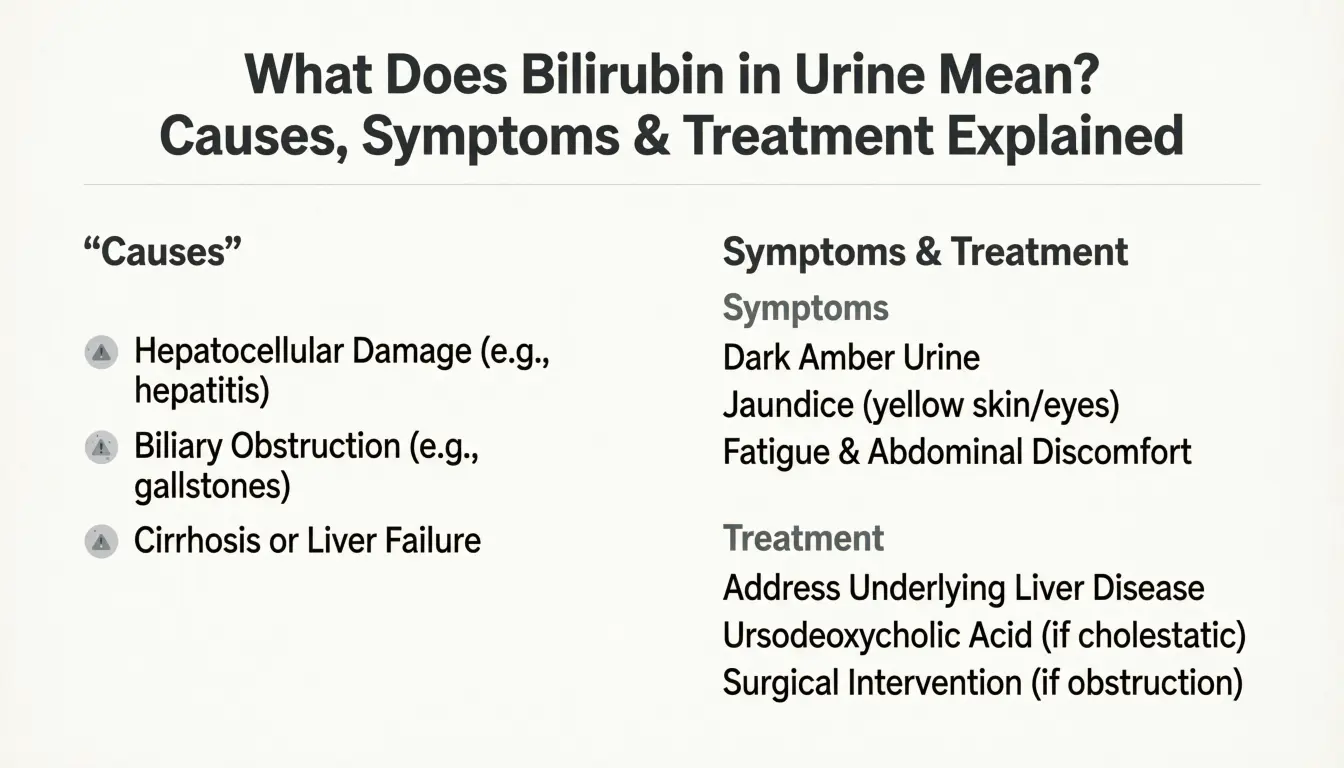
If you recently had a urine test and saw “bilirubin in urine” on the results, you may feel confused or concerned about what it means. Normally, urine does not contain bilirubin, so its presence can sometimes signal a problem involving the liver, gallbladder, or bile ducts. Doctors often check bilirubin levels during routine urine testing to help identify possible health conditions early.
Bilirubin is a yellow-orange substance produced when the body breaks down old red blood cells. The liver processes bilirubin and removes it through bile and stool. However, when the liver cannot properly process bilirubin or bile flow becomes blocked, bilirubin may enter the bloodstream and eventually appear in urine.
In many cases, bilirubin in urine may be linked to liver disease, hepatitis, gallstones, bile duct blockage, or other medical conditions affecting liver function. Some people may also experience symptoms like yellow skin, dark urine, fatigue, nausea, or abdominal pain.
In this guide, you’ll learn what bilirubin in urine means, common causes, symptoms, diagnosis methods, treatment options, and answers to frequently asked questions about bilirubinuria.
What Does Bilirubin in Urine Mean?
Bilirubin in urine, also called bilirubinuria, means bilirubin is present in the urine when it normally should not be.
Under healthy conditions, the liver processes bilirubin and removes it from the body through bile. However, if the liver is damaged or bile flow becomes blocked, bilirubin can leak into the bloodstream and appear in urine.
Because bilirubin is not usually found in urine, doctors often consider it a sign of:
- Liver disease
- Gallbladder problems
- Bile duct obstruction
- Hepatitis
- Liver inflammation
Urine containing bilirubin may also appear darker than normal, sometimes resembling tea or cola-colored urine.
What Is Bilirubin?
Bilirubin is a yellow pigment created during the normal breakdown of red blood cells.
When old red blood cells break down:
- Hemoglobin gets released
- The body converts it into bilirubin
- The liver processes bilirubin
- Bilirubin leaves the body through stool
This process helps remove waste from the body naturally.
There are two main types of bilirubin:
- Unconjugated bilirubin
- Conjugated bilirubin
Urine tests mainly detect conjugated bilirubin because it dissolves in water and can pass into urine.
Common Causes of Bilirubin in Urine
Several medical conditions may cause bilirubin to appear in urine.
Liver Disease
Conditions affecting the liver may interfere with bilirubin processing.
Examples include:
- Cirrhosis
- Fatty liver disease
- Liver damage
Hepatitis
Hepatitis causes liver inflammation that may increase bilirubin levels.
Types include:
- Hepatitis A
- Hepatitis B
- Hepatitis C
Gallstones
Gallstones may block bile ducts, preventing bilirubin from leaving the body properly.
Bile Duct Obstruction
Blocked bile ducts may force bilirubin into the bloodstream and urine.
Certain Medications
Some medications may temporarily affect liver function and bilirubin levels.
Symptoms Associated with Bilirubin in Urine
Some people may experience noticeable symptoms alongside bilirubinuria.
Common symptoms include:
- Dark-colored urine
- Yellow skin or eyes (jaundice)
- Fatigue
- Nausea
- Abdominal pain
- Pale-colored stools
- Itching
However, some individuals may have bilirubin in urine without obvious symptoms.
How Doctors Diagnose Bilirubin in Urine
Doctors usually detect bilirubin during a urinalysis.
Additional tests may include:
- Blood tests
- Liver function tests
- Ultrasound imaging
- CT scans
- Hepatitis screening
These tests help identify the underlying cause.
Treatment for Bilirubin in Urine
Treatment depends on the condition causing the bilirubin buildup.
Liver Disease Treatment
Doctors may recommend:
- Lifestyle changes
- Medications
- Reduced alcohol consumption
Gallstone Treatment
Gallstones may require:
- Medication
- Surgery
- Gallbladder removal
Hepatitis Treatment
Treatment may involve:
- Antiviral medications
- Rest
- Medical monitoring
Managing the underlying cause usually helps reduce bilirubin levels.
Is Bilirubin in Urine Serious?
Sometimes bilirubin in urine is temporary and mild. However, it may also indicate a serious liver or bile duct problem.
Because liver-related conditions can worsen over time, medical evaluation is important whenever bilirubin appears in urine test results.
Early diagnosis often improves treatment outcomes.
Frequently Asked Questions About Bilirubin in Urine
Is bilirubin normally found in urine?
No. Healthy urine usually does not contain detectable bilirubin.
What causes bilirubin in urine?
Common causes include liver disease, hepatitis, gallstones, bile duct blockage, and liver inflammation.
Is bilirubin in urine dangerous?
It can sometimes indicate serious liver or gallbladder conditions, so medical evaluation is important.
What color is urine with bilirubin?
Urine containing bilirubin may appear dark yellow, brown, tea-colored, or cola-colored.
Can dehydration cause bilirubin in urine?
Dehydration alone usually does not cause bilirubinuria, although it may darken urine color.
What are symptoms of high bilirubin?
Symptoms may include jaundice, fatigue, dark urine, nausea, abdominal pain, and pale stools.
How is bilirubin in urine treated?
Treatment focuses on correcting the underlying medical condition causing bilirubin buildup.
Should I worry about bilirubin in my urine test?
You should discuss abnormal urine test results with a healthcare professional for proper diagnosis and treatment guidance.
Conclusion
Bilirubin in urine usually means the body is having difficulty processing or removing bilirubin properly. Because bilirubin normally stays out of urine, its presence may signal liver disease, hepatitis, gallstones, or bile duct blockage.
Although some causes are mild or temporary, others may require medical treatment. Understanding symptoms, diagnosis methods, and possible causes can help patients seek timely medical care and protect liver health.
Learn what bilirubin in urine means, common causes, symptoms, diagnosis, liver conditions, treatment options, and when to see a doctor.

I am James Carter, a writer who enjoys creativity, humor, and smart wordplay. I focus on sharing light, engaging ideas that make people smile and think. On punsprout.com, I create content that turns simple words into clever fun.